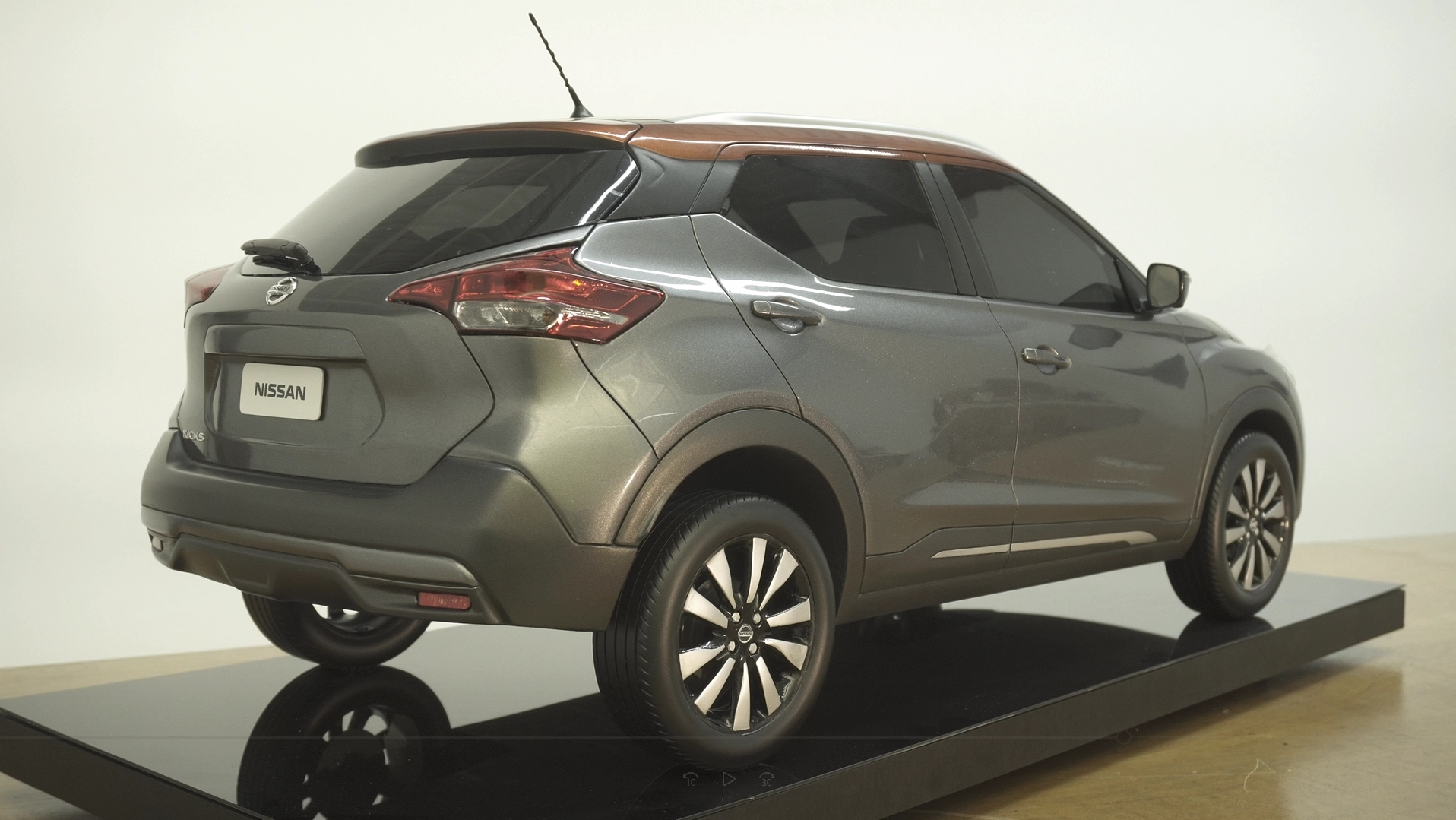
Nissan Kicks 2016 Prototype by ÍCON Design – From Digital Concept to Physical Precision
How can an automotive design project be transformed from a digital concept into a scaled physical prototype that reveals every detail with precision and visual impact?
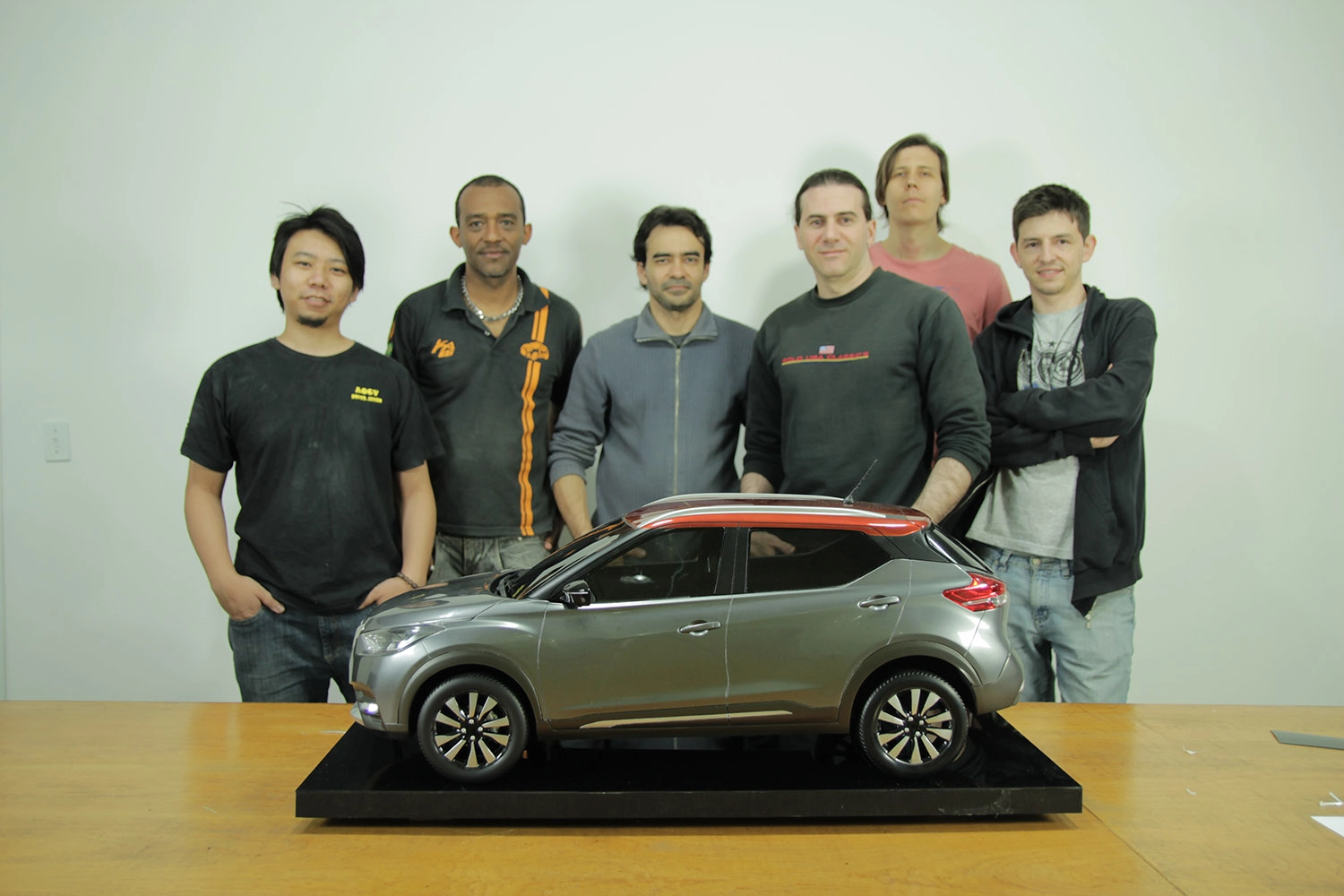
When Nissan approached ÍCON to help bring their vision of a new car to life, the goal was clear: to create a vehicle that would attract fresh attention and become a future success for the brand in Brazil. This project was not just about design—it was about collaboration. Working closely with Nissan Design Latin America, the ÍCON team developed a prototype that stayed true to the original virtual design of the vehicle, while being closely aligned with the production platform.
THE CONCEPT TAKES SHAPE
From the very beginning, this was not a simple concept. Every line, crease, and surface was based on reality—design for specialists, not just for display.
ÍCON combined cutting-edge tools, such as 3D scanning for visualization and digital modeling, with traditional methods—basic conversations, sketches, machining processes, and manual smoothing. This blend of modern precision and traditional collaboration shaped a concept that looked as real as it felt.
The project began with the organization and analysis of the CAD files provided by Nissan’s design and engineering teams. These digital files contained the official surfaces of the vehicle, created to represent exactly how the final product would appear. Before any physical material was cut, a specialized team carefully reviewed each curve, surface intersection, and aesthetic detail, ensuring that the 1:5 scale model faithfully conveyed the proportions and distinctive features of the Kicks by ÍCON Design.
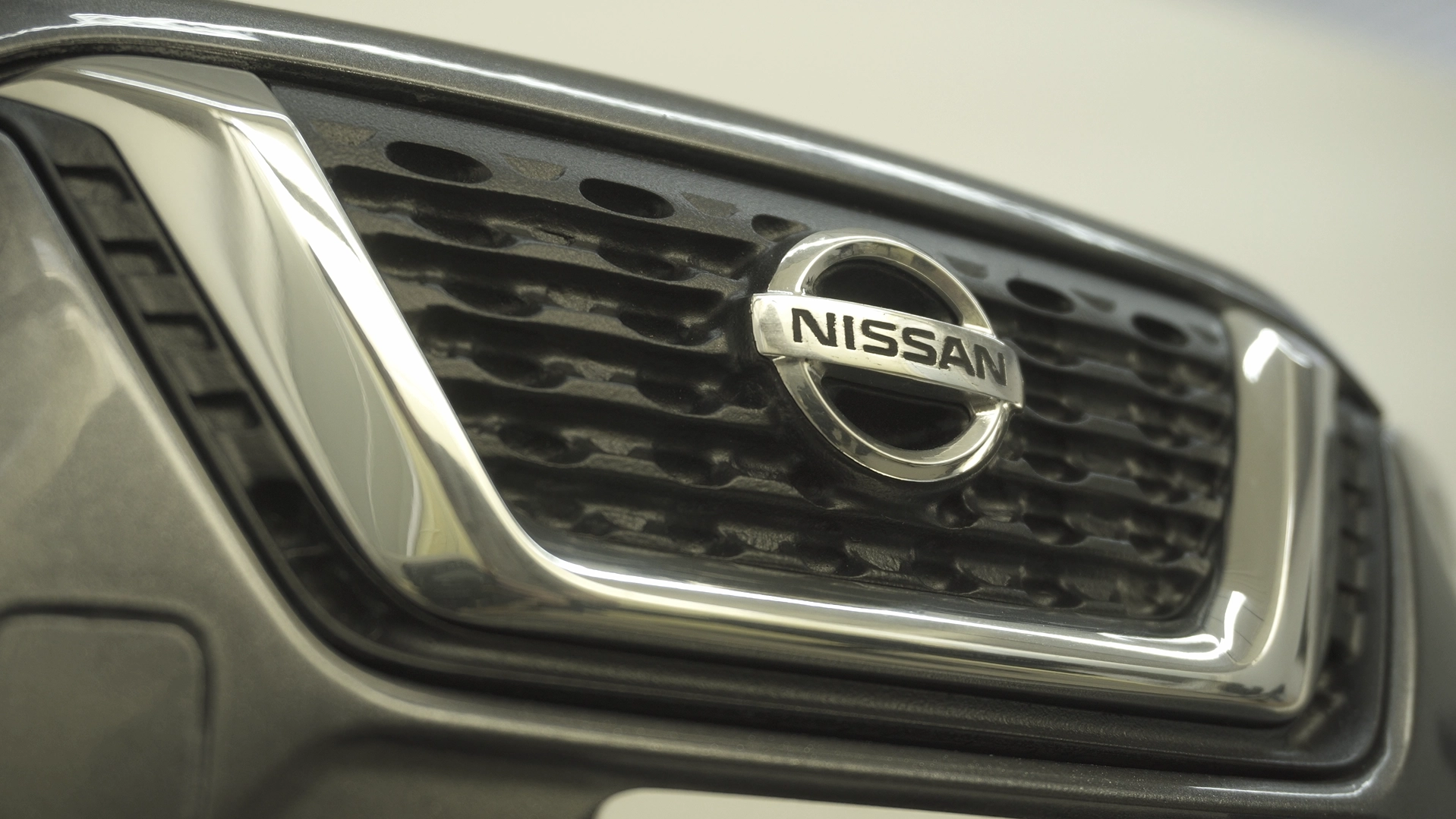
PREPARING FOR MANUFACTURING
Once the digital foundation was set, preparations began for the production of the physical model. Constructing a scaled-down car requires a robust base structure capable of supporting both the weight and the attachment of the blocks that will be machined.With the base assembled, the project advanced to one of the most impressive stages: large-scale CNC machining. Industrial milling machines, equipped with high-speed tools, began sculpting the shape of the car from the dense blocks of material. As the model is smaller in size, milling was performed on a single block, with each pass of the tool gradually revealing the design of the Kicks taking form.
PRECISION THAT CREATES REALISM
After excess material was removed, the manual refinement process began. Even with the high precision of CNC machines, the human touch was indispensable. Skilled professionals used sandpaper, spatulas, and specialized fillers to correct imperfections, smooth transitions, and enhance details. This phase ensured that critical surfaces—such as the front end, side creases, and overall proportions—matched the original design intentions with exactness.Once the forms were finalized, the next step was to apply the surface finishing.
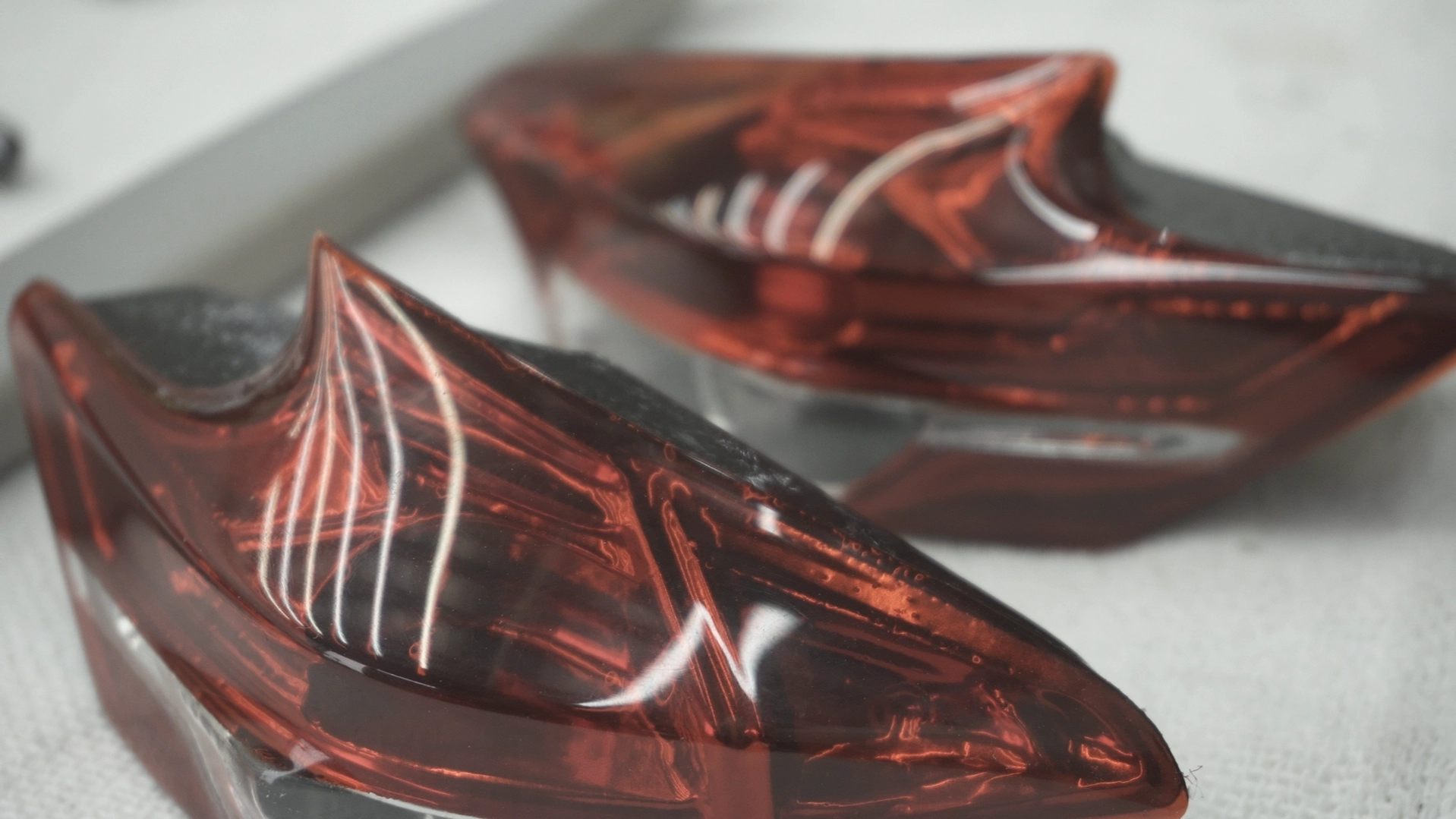
For events and official presentations, the model needed to achieve a level of visual quality close to that of an actual car. This involved the use of automotive primers, paints, and high-resistance varnishes. The painting process was carried out in professional booths, following the same steps used in production vehicles, ensuring the paint depth, shine, and overall aesthetic coherence with Nissan’s color palette.
FINAL ASSEMBLY AND DETAILING
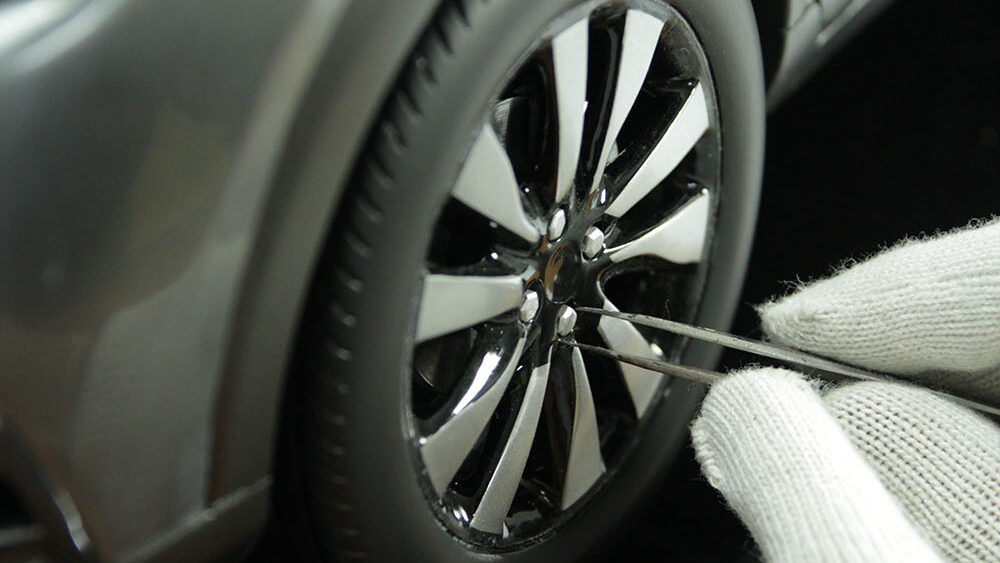
Simultaneously, smaller parts were also produced and finalized. Items such as headlights, taillights, wheels, mirrors, and some interior elements were 3D-printed, molded in resin, or manufactured from transparent materials to accurately replicate the original pieces. These components were vital in conveying realism, especially when the model would be displayed at fairs, stands, or executive presentations.
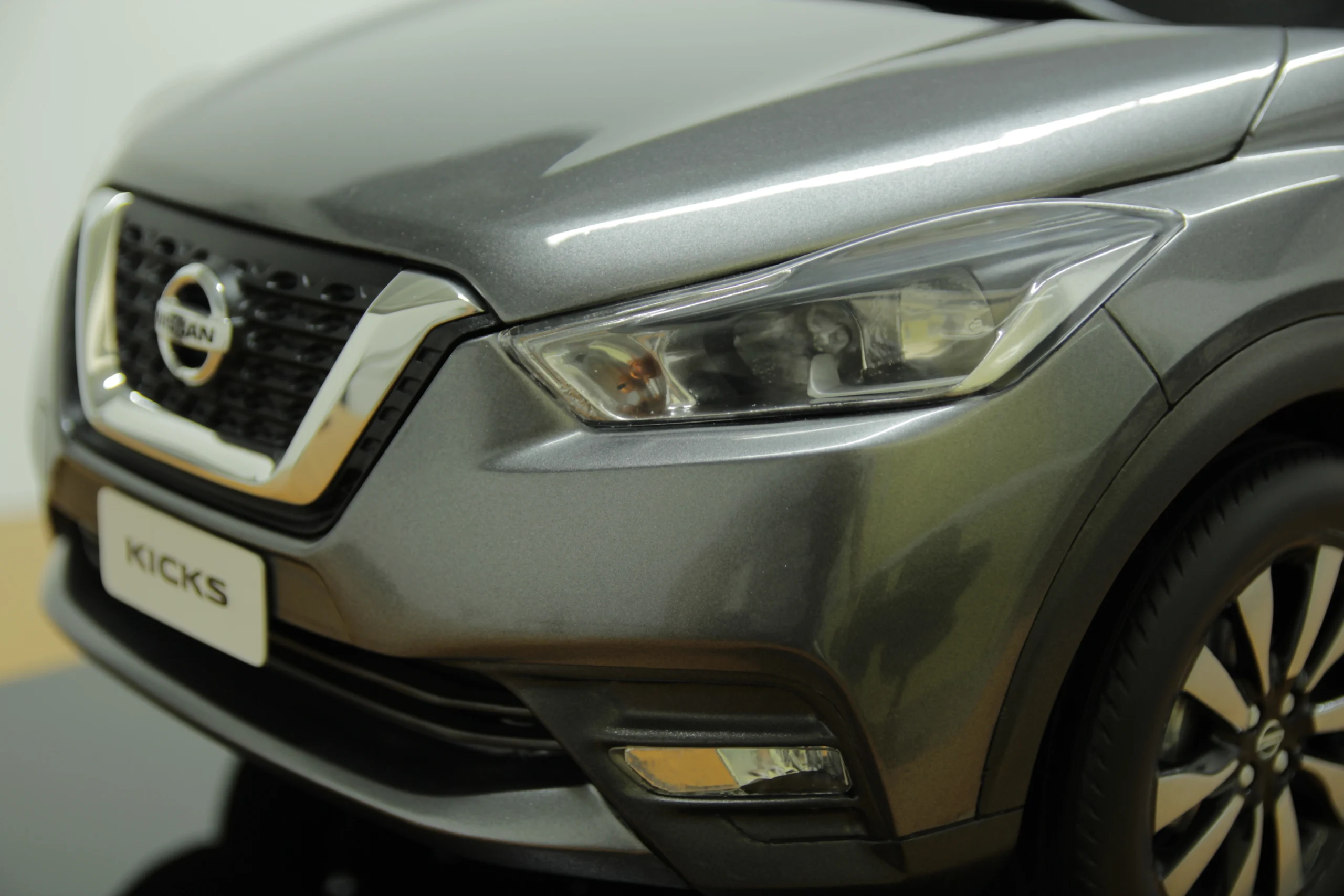
With all parts ready, the model began the final assembly and review stage. This phase was akin to the final assembly of a real car, but at the prototype scale: each component was manually adjusted, aligned visually, and fixed into place. The team carefully analyzed the continuity of lines, the closure of surfaces, and the overall visual impact. It was at this moment that the Kicks 2016 fully took shape, creating the impression of a fully functional vehicle.
Once assembled, the model underwent a final inspection. Lighting was adjusted, the paint was polished, final details were confirmed, and the car was prepared for transport. For promotional events, everything had to be flawless: every angle needed to make an impact, every surface had to reflect light elegantly, and every line had to reinforce Nissan’s visual identity.
THE RESULT
In conclusion, the development and machining of the physical model for the Nissan Kicks 2016 was a meticulous, multidisciplinary process that combined advanced technology, technical precision, and artistic sensibility. Building a 1:5 scale vehicle is much more than replicating its shape—it is about creating a powerful communication tool capable of conveying emotion, innovation, and the brand’s vision to its audience. This work allowed Nissan to present the Kicks with impact and clarity, ensuring its design was fully appreciated in every detail from the earliest official events.